

The Together We Grow Foundation is proud to announce the awarding of 11 scholarships totaling $27,500 to students pursuing education and careers in agriculture and related fields across North Alabama, reinforcing the Foundation’s commitment to investing in the future of Alabama’s agricultural community. The Together We Grow Foundation was born from a group of young farmers who recognized a growing need for college scholarships to support students entering Alabama’s agricultural sector. What began as a shared concern has grown into a nonprofit dedicated to cultivating opportunity, leadership, and long term success for students across the state. This year’s awards include 10 Young Roots Scholarships and one Cultivating Leaders Scholarship. The Young Roots Scholarship is designed for graduating high school seniors, and the Cultivating Leaders Scholarship supports students graduating from a two year college who plan to pursue a four year degree. Scholarship recipients are selected based on academic achievement and active involvement in their schools and communities. 2026 Scholarship Recipients • Ella Barkley, DeKalb County — Plans to attend Auburn University and major in Animal Science • Kylie Calvert, Cullman County – Plans to attend Auburn University and major in Animal Science • Kiley Cochran, Jefferson County — Cultivating Leaders Scholarship recipient; attends Wallace State Community College and will major in Communications • River Cox, Calhoun County — Plans to attend the University of West Alabama and major in Forestry Technology • Jayden Friedrich, Cullman County — Plans to attend the University of South Alabama and major in Radiology, with a minor in Agricultural Sciences • Jackson Haynes, Cullman County — Plans to attend Auburn University and major in Biological and Agricultural Technology Management • Blaine McDuffa, Franklin County — Plans to attend Auburn University and major in Animal Science • Elijah Miller, Colbert County — Plans to attend Northwest Shoals Community College and major in Industrial Systems Technology • Addison Norwood, Limestone County — Plans to attend the University of Mississippi and major in Legal Studies • Gracie Stidham, Cullman County – Plans to attend the University of Alabama at Birmingham and major in Nursing • Melanie Studdard, Cherokee County — Plans to attend Auburn University and major in Mechanical Engineering The Together We Grow Foundation receives proceeds from Alabama Farm Credit’s Ag Night at the Rocket City Trash Pandas, with VIP ticket sales directly benefiting Together We Grow scholarships. VIP tickets are on sale now for Ag Night, set for June 19 at the Rocket City Trash Pandas stadium. The Foundation primarily raises scholarship funds through community supported events, including Agri Shoot at Selwood Farms, an annual sporting clays fundraiser held each fall, which will take place on September 18 at Selwood Farms this year. Through the support of Alabama Farm Credit and community partners, the Together We Grow Foundation continues to strengthen the future of agriculture by investing in students who demonstrate both academic excellence and a commitment to serving their communities. For more information about the Together We Grow Foundation, VIP ticket sales, or upcoming events, visit thetwgfoundation.com.
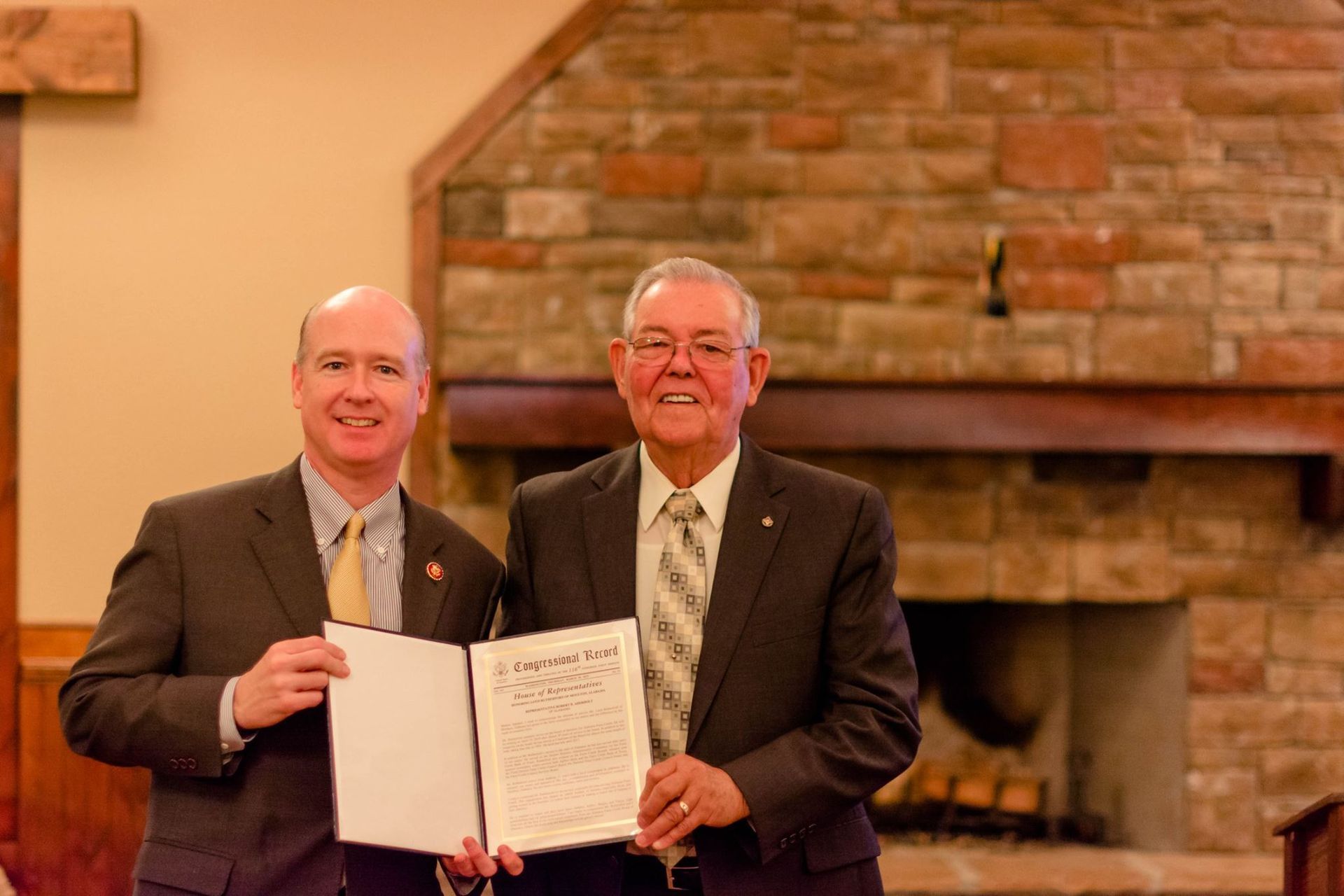
Alabama Farm Credit (AFC) proudly recognizes former board chairman Loyd Rutherford as a 2026 inductee into the Farm Credit Bank of Texas Academy of Honor, the Bank’s highest distinction for leadership and service in agricultural credit. Established in 1968, the Academy of Honor in Agricultural Credit recognizes individuals who have made valuable and significant contributions to agriculture, rural communities and the Farm Credit System. Each year, one deserving individual is inducted into the Academy of Honor, and a one-time $25,000 scholarship bearing the inductee’s name is awarded through a college or university of their choice. Mr. Rutherford has chosen Auburn University as the recipient of the Loyd Rutherford Academy of Honor Scholarship, which will support five students with $5,000 scholarships to further their education and careers in agriculture. A lifelong agricultural producer and business leader, Rutherford was raised on a farm and spent much of his life farming cotton, soybeans, wheat and broilers, while also managing the Lawrence County Exchange, the local farmers’ cooperative known at the time by that name. His deep agricultural roots shaped a career defined by service, leadership and a commitment to rural communities. Rutherford dedicated nearly 30 years to advancing agriculture through his leadership within the Farm Credit System. He served on the AFC board of directors from 1990 to 2019, including more than two decades as chairman from 1995 to 2017. During that time, he helped guide the association through the farm crisis of the early 1990s, significant structural transitions, and decades of sustained growth. He consistently championed stockholder interests and long-term stability while also serving on numerous district and national Farm Credit boards and committees. Rutherford was formally recognized as a 2026 Academy of Honor inductee at the Farm Credit Bank of Texas Annual Meeting, where his steady leadership, hands-on involvement in agriculture and lasting impact on rural communities were celebrated. Throughout his career, he was supported by his wife, Janice Rutherford, whose encouragement and partnership were integral to his lifelong dedication to agriculture and service. The scholarship established in Rutherford’s name reflects both his legacy and the Farm Credit System’s continued investment in the next generation. The funds will be awarded through Auburn University to students pursuing agriculture-related fields of study, helping recipients continue their education and build careers that strengthen rural America.

AG Night 2025 Recap: A Night to Remember
Annual Impact Report Video 2025

This is a subtitle for your new post

Member Spotlight - Whit and Amanda Lovelady

The Link beefs up food pantry

Alabama Farm Credit's 2024 Summer Interns
Annual Impact Report Video 2024
David Winston Bryant and Jordyn Upchurch Elected to the Board

